
Solo Travelling in Thailand
Last updated: June 2026 | Tom Solo Travels
Thailand is the perfect place to start your solo adventure in Asia, and it’s the country I always recommend first. From the buzz of Bangkok to the islands of the south and the laid-back north around Chiang Mai, it’s affordable, welcoming and incredibly easy to travel solo. This guide covers everything you need to know before you go: the essential facts, the best time to visit, how to get around, what it costs, and how to start planning your trip.
Thailand at a glance
Here’s the quick snapshot of everything you need to know about Thailand before you travel:
| Capital | Bangkok (Krung Thep) |
| Location | Southeast Asia, bordered by Myanmar, Laos, Cambodia and Malaysia, with coastlines on the Gulf of Thailand and the Andaman Sea |
| Language | Thai (official). English is widely spoken in tourist areas, hotels and on the islands |
| Currency | Thai Baht (THB, ฿). Please Note: Cash is still king for street food and markets; cards accepted in hotels, malls and many restaurants |
| Visa (UK & most Western travellers) | Visa-free entry for tourism (see the full, up-to-date Visa section below, the allowed length of stay is changing in 2026) |
| Weather / climates | Tropical, with three seasons: cool and dry (Nov–Feb), hot (Mar–May) and rainy/monsoon (Jun–Oct). The southern islands vary by coast |
| Time zone | Indochina Time (ICT), GMT+7 |
| Religion | Predominantly Theravada Buddhism (around 93%). Dress modestly at temples | Power | 230V, plug types A, B and C (bring a universal adapter) | Main international airports | Bangkok Suvarnabhumi (BKK) and Don Mueang (DMK), Phuket (HKT), Chiang Mai (CNX), Krabi (KBV) and Koh Samui (USM) |
Best time to visit Thailand
The best time to visit Thailand is during the cool, dry season from November to February, when the weather is at its most comfortable across most of the country. That said, Thailand is a year-round destination, and the right time depends on where you’re going.
| Season | Months | What to expect |
| Cool & dry | Nov-Feb | Peak season. The most pleasant weather, lower humidity and clear skies. Book ahead, it's busiest and priciest |
| Hot | Mar–May | Very hot and humid (35°C+). Fewer crowds and lower prices; great for the islands if you can handle the heat. Songkran (Thai New Year) falls in April |
| Rainy / monsoon | Jun–Oct | Short, heavy downpours rather than all-day rain. Lush, green and quiet, with the best deals. Some islands have rougher seas |
A regional tip on the islands: the Andaman coast (Phuket, Krabi, Koh Phi Phi) is best from November to April, while the Gulf coast (Koh Samui, Koh Phangan, Koh Tao) stays drier a little longer and is often good through to September, with its wettest spell from October to December.
How to get around Thailand
Thailand has some of the best-value, most traveller-friendly transport in Asia. Here’s how to get around, both within cities and across the country.
Local transport (in cities & towns)
BTS Skytrain & MRT (Bangkok): Clean, cheap and air-conditioned, the fastest way to beat Bangkok traffic. Buy a stored-value card to skip queues.
Grab (ride-hailing app): The easiest option for solo travellers, fixed prices, no haggling, and you can pay by card. Works in most cities.
Tuk-tuks: Fun for short hops, but agree the fare before you get in, as they’re often pricier than a Grab.
Songthaews: Shared pick-up trucks with bench seating, cheap and common in Chiang Mai and on the islands.
Motorbike taxis & scooter hire: Quick for solo riders. Only hire a scooter if you’re experienced and licensed, wear a helmet, and make sure your insurance covers it.
Exploring Thailand (long-distance travel)
Buses. The backbone of budget travel in Thailand. Comfortable VIP coaches connect every major town and city, and overnight buses save you a night’s accommodation. Affordable and frequent, though slower than flying.
Trains. A scenic, characterful way to travel. The overnight sleeper from Bangkok to Chiang Mai is a classic solo-travel experience, book a second-class air-conditioned sleeper berth in advance. Trains are great for longer north–south journeys.
Flights. Domestic flights are cheap and a huge time-saver for longer distances, such as Bangkok to Phuket, Krabi or Chiang Mai. Budget airlines like AirAsia, Nok Air and Thai Lion Air run frequent routes; book early for the lowest fares.
Ferries & boats. Essential for reaching the islands. Speedboats and slower car ferries connect the mainland to Koh Samui, Koh Phangan, Koh Tao, Phi Phi and beyond. Check schedules, as some routes reduce in the rainy season.
Typical costs in Thailand
Thailand is famously good value. As a rough guide, solo travellers spend around £25–£35 per day backpacking, £45–£70 per day for mid-range comfort, and £80+ per day for a more luxurious trip. Here’s the breakdown:
Accommodation
| Type | Typical Price | Good for |
| Hostel dorm | £4-£10 | Backpackers, meeting people |
| Private guesthouse / budget hotel | £12-£28 | Solo comfort on a budget |
| Mid-range 3–4 star hotel | £30–£65 | A bit of comfort and a pool | Luxury / resort | £90+ | Treat-yourself stays |
Food
| Type | Typical Price | Notes |
| Street food meal | £1–£2.50 | Pad thai, noodle soup, mango sticky rice |
| Local restaurant meal | £2–£5 | Sit-down Thai food |
| Western / tourist restaurant | £6–£15 | Found in cities and on the islands | Local beer (large) | £1.50–£3 | Chang, Singha, Leo |
Transport
| Journey | Typical Price | Notes |
| BTS / MRT single trip (Bangkok) | £0.40–£1.20 | By distance |
| Grab across a city | £2–£6 | Fixed price in-app |
| Overnight train (Bangkok–Chiang Mai) | £15–£40 | Sleeper berth | Long-distance VIP bus | £8–£25 | By route |
| Domestic flight | £20–£60 | Book early | Island ferry | £5–£20 | By route |
Please note that All prices are approximate guidance in GBP and will drift with exchange rates.
Read my latest blogs from Thailand
Want the detail? Here are my latest Thailand stories, guides and honest hotel reviews:


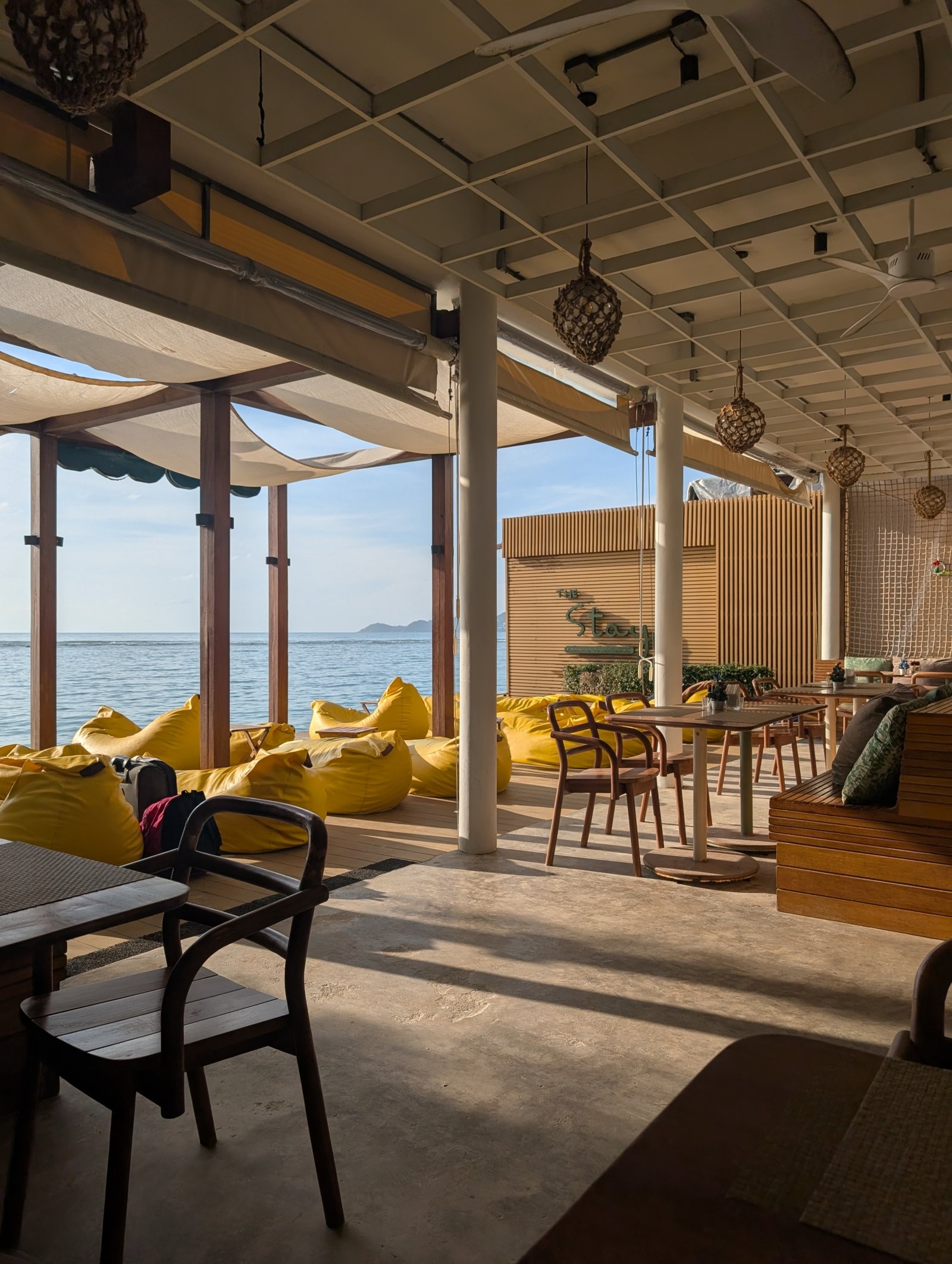

How to Start Planning Your Thailand Trip
Ready to go? Here’s everything you need to book your trip, in the order you’ll want to sort it. Some links below are affiliate links, which means I may earn a small commission at no extra cost to you, it’s what keeps this blog running, so thank you!
🔗 Affiliate Disclosure: Some links in this section are affiliate links from trusted partners. I only recommend services I’ve genuinely used or researched. If you book through my links, I receive a small commission – it costs you nothing extra and helps keep this blog running. Thank you!
✈️ Find Flights
Fly into Bangkok (BKK or DMK) for the best fares and connections, then take a cheap domestic flight onward if you’re heading to the islands or the north. Book early and stay flexible on dates.
🏨 Book Your Hotel
From £5 hostels to beachfront resorts, Thailand has incredible accommodation value. I book places with free cancellation to stay flexible on the road.
🛡️ Get Travel Insurance
Never travel Thailand without insurance, especially if you plan to ride a scooter, dive or island-hop. Make sure your policy covers your activities and the full length of your trip.
🚗 Hire a Car or Scooter
A car or scooter gives you freedom in places like Chiang Mai, Phuket and the islands. Carry an International Driving Permit, wear a helmet, and check your insurance covers you before riding.
🛂 Visa Information
Visa rules are changing in Thailand: Since July 2024 the visa-exempt stay was 60 days, but in 2026 the Thai government approved reverting to a shorter 30-day stay. The exact start date is still being finalised, so the rules you’ll travel under depend on when you go. Please make sure to check up to date visa information when you start planning your trip.
🎟️ Book Your Activities & Tours
Pre-book the big experiences, island-hopping day trips, a Thai cooking class, elephant sanctuaries (ethical ones only) or temple tours, to skip the queues and lock in your spot. I choose tours with free cancellation.
Thailand Travel FAQs
Quick answers to the questions solo travellers ask most about Thailand.
Yes. Thailand is one of the safest and easiest countries in the world to travel solo, with a huge backpacker community and excellent tourist infrastructure. Use normal common sense: watch your belongings, only use licensed transport or Grab, and take care on scooters.
Most UK and Western travellers can currently enter Thailand visa-free for up to 30 days for tourism, though this is changing in 2026. Always check current rules at thaievisa.go.th and complete the Thailand Digital Arrival Card at tdac.immigration.go.th before you travel.
The cool, dry season from November to February offers the most comfortable weather across most of the country. March to May is hot, and June to October is the rainy season with short downpours, fewer crowds and lower prices.
Two weeks lets you combine Bangkok, the north (Chiang Mai) and a few islands. With three to four weeks you can travel more slowly and add places like Krabi, Koh Tao or Pai. Many solo travellers stay much longer.
Solo travellers typically spend around £25–£35 per day backpacking, £45–£70 for mid-range comfort, and £80+ for luxury. Thailand is one of the best-value destinations in Asia.
Use the BTS/MRT and Grab within cities, overnight trains or VIP buses for long distances on a budget, cheap domestic flights to save time, and ferries to reach the islands.
Start Your Thailand Adventure
Thailand is the easiest, friendliest place to begin solo travelling in Asia, and once you’ve been, you’ll understand why so many travellers keep going back. Pick your dates, sort the essentials above, and take the leap.