Solo Travelling in Europe
Solo travel in Europe is one of the most rewarding experiences an independent traveller can have. With 44 countries, world-class transport networks, and a culture that actively welcomes those exploring on their own terms, Europe is arguably the best continent on earth for going it alone. Whether you have two weeks or six months, this guide covers everything you need to know – from costs and safety to the best countries, how to get around, and where to stay.
I have been travelling Europe solo for the past six years, visiting over 20 countries across the continent. This guide brings together everything I have learned – the practical details, the honest costs, and the solo-specific advice that travel guidebooks rarely cover. If you’re just getting started, my post on how to plan your first solo trip abroad is the best place to begin before diving into Europe specifically.
QUICK ANSWER
Europe is one of the world’s best destinations for solo travel. The continent offers an unmatched combination of safe, well-connected cities, diverse cultures, and accommodation options from social hostel dorms to boutique hotels. Most Western and Northern European countries rank in the Global Peace Index top 20, and the Schengen Area makes crossing borders seamless. A mid-range solo traveller can explore comfortably on £60-100 per day in Western Europe and £35-65 per day in the east.
Countries in Europe i've been to
Is Europe good for solo travel?
Europe has long been the first choice for solo travellers, and the reasons are structural, not just cultural. The infrastructure is exceptional – high-speed trains connect major cities within hours, budget airlines make hopping between countries affordable, and the sheer density of attractions means you rarely need to travel far to find something worth your time.
For solo travellers in particular, Europe offers a social scene that is hard to match anywhere else. Hostel culture is well-established across the continent, especially in cities like Prague, Amsterdam, Lisbon, and Budapest, where affordable accommodation doubles as a community hub. Many European cities also have a thriving solo dining culture – bar seating, communal tables, and food markets make eating alone genuinely enjoyable rather than awkward.
The Schengen Area makes movement between 27 European countries frictionless. No border checks, no repeated visa applications, no customs queues. As of 2026, UK citizens can visit Schengen countries for up to 90 days in any 180-day period visa-free. The ETIAS travel authorisation system requires a small one-off fee per application and is now live for UK travellers.
If you are wondering whether Europe is the right starting point for your first solo trip, my guide to the best destinations for first-time solo travellers breaks down which countries are most beginner-friendly – with several European cities making the top of that list.
Best countries in Europe for solo travel
Europe’s 44 countries span radically different characters, price points, and experiences. The table below breaks down the best options for solo travellers at different budget levels, with solo-specific notes on atmosphere and ease of travel.
Country | Best for | Budget level | English spoken | Highlights |
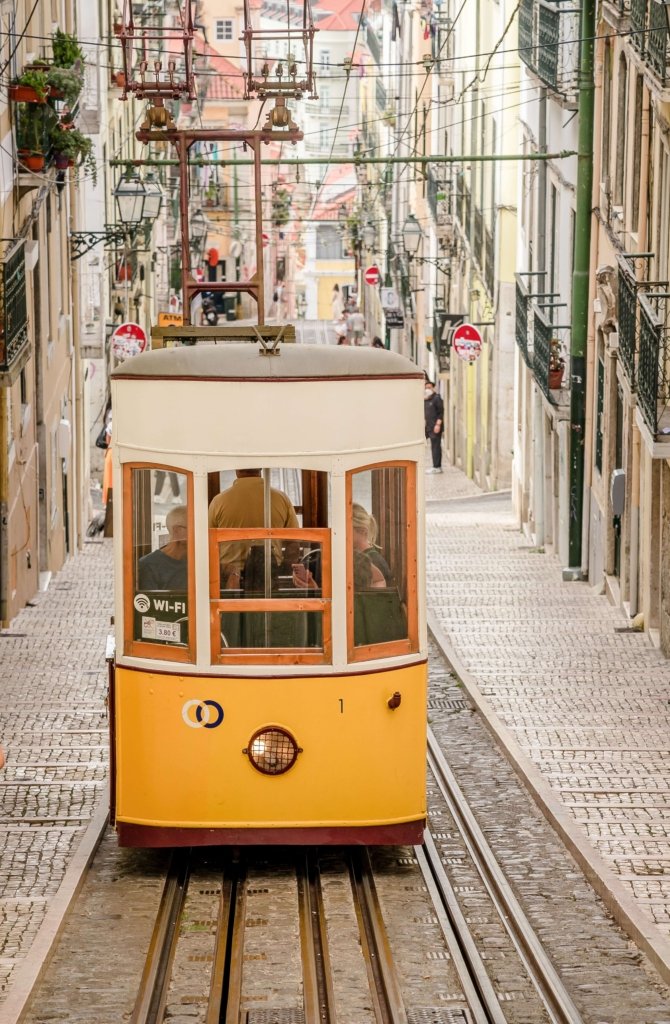
Portugal | First-timers, warm culture | Mid-range | Widely | Lisbon, Porto, Algarve |
Czech Republic | City breaks, value | Budget | Moderate | Prague, Cesky Krumlov |
Hungary | Culture, thermal baths | Budget | Moderate | Budapest, Lake Balaton |
Netherlands | Cycling, culture | Mid-range | Widely | Amsterdam, Rotterdam |
Spain | Sun, food, nightlife | Mid-range | Moderate | Barcelona, Madrid, Seville |
Italy | History, food, art | Mid-range/High | Limited outside cities | Rome, Florence, Amalfi |
Lithuania | Eastern Europe charm, value | Budget | Widely in cities | Vilnius, Trakai, Curonian Spit |
Poland | History, value for money | Budget | Moderate | Krakow, Warsaw, Gdansk |
France | Culture, gastronomy | Mid-range | Widely in cities | Paris, Lyon, Nice |
Austria/Switzerland | Alpine scenery, adventure | High | Widely | Vienna, Hallstatt, Jungfraujoch |
Personal Highlights
Portugal consistently ranks as one of the most solo-traveller-friendly countries in Europe. Porto in particular is exceptional – compact, walkable, and packed with a social hostel scene. I have spent time there personally and documented the best of the city in depth. Start with my 5-day Porto itinerary, then browse the 15 best things to do in Porto to build your own list.
Hungary offers extraordinary value and one of Europe’s most beautiful capitals. Budapest’s thermal bath culture, ruin bar scene, and the Fisherman’s Bastion make it a standout solo destination. Read my piece on why Budapest is Europe’s most underrated gem for a fuller picture.
Czech Republic and Prague in particular remain among the best-value capital city destinations on the continent. My guide to the top 10 free things to do in Prague is a great starting point for planning a budget-friendly visit.
Lithuania is one of my personal highlights – Vilnius has one of the largest preserved medieval Old Towns in Europe and a thriving creative scene. I have a complete guide to Vilnius as well as a 3-day Vilnius itinerary if you want a structured framework for the city.
France beyond Paris is consistently underrated. Lyon in particular is a city I would return to without hesitation – rich in history, food, and character, and far more affordable than the capital. I wrote about why Lyon is one of France’s most underrated destinations and have a full 4-day Lyon itinerary on the blog.
How much does solo travel in Europe cost?
How much you spend travelling Europe solo depends on your destination, travel style, and accommodation choices. For a full breakdown of realistic costs across all regions, including day-by-day budgets and a comparison of budget vs mid-range spending, see my dedicated post: how much money do you need to travel around Europe?
Region | Budget (£/day) | Mid-range (£/day) | Comfortable (£/day) |
Western Europe (France, Benelux, Scandinavia) | £70-90 | £100-150 | £150+ |
Southern Europe (Spain, Italy, Greece, Portugal) | £50-70 | £80-120 | £120+ |
Central Europe (Germany, Austria, Switzerland) | £60-80 | £90-130 | £130+ |
Eastern Europe (Poland, Hungary, Czech Republic) | £30-50 | £55-80 | £80+ |
Balkans (Serbia, Albania, North Macedonia) | £25-40 | £45-65 | £65+ |
These figures cover accommodation (hostel dorm or budget hotel for solo occupancy), two to three meals per day, local transport, and one or two paid activities. They exclude international flights, travel insurance, and major tours.
The single most effective way to reduce your overall costs is to build your itinerary around Eastern and Southern Europe, where your pound stretches significantly further. A week in Budapest costs roughly the same as three nights in Amsterdam. Mixing high-cost and low-cost destinations across a longer trip gives you the best of both worlds without blowing the budget.
Note on the single supplement: many European hotels charge solo travellers extra for single occupancy of double rooms. This hidden cost can add £10-30 per night. Always check accommodation listings for solo-friendly pricing or single supplement policies before booking.
Best time to visit Europe as a solo traveller
The best time to travel Europe as a solo traveller depends on where you are going, what kind of weather you want, and how much you care about crowds and pricing.
Season | Best regions | Avg temp (Southern Europe) |
Spring (Apr-May) | Western, Southern, Central Europe | 15-22°C |
Summer (Jun-Aug) | Scandinavia, Baltics, Balkans | 25-35°C |
Autumn (Sep-Oct) | Southern, Eastern, Central Europe | 18-25°C |
Winter (Nov-Mar) | Alpine ski resorts, Christmas market cities | 8-15°C |
Spring (April-May) is widely considered the sweet spot for European solo travel. Temperatures are mild across Western and Southern Europe, summer crowds have not yet arrived, and accommodation prices are noticeably lower than peak season. Cities like Paris, Rome, Barcelona, Lisbon, and Porto are at their most photogenic and walkable in April and May.
Autumn (September-October) rivals spring as the best all-round travel season. Crowds thin out sharply after August, prices drop, and temperatures remain genuinely pleasant across Southern and Central Europe. Cities like Vilnius, Riga, and Ljubljana are spectacular in autumn – far fewer crowds than Western Europe and considerably lower costs.
How to get around Europe as a solo traveller
Europe’s transport network is one of the most developed in the world for independent travel. As a solo traveller, you have four main options: trains, budget airlines, long-distance buses, or a combination of all three.
Trains
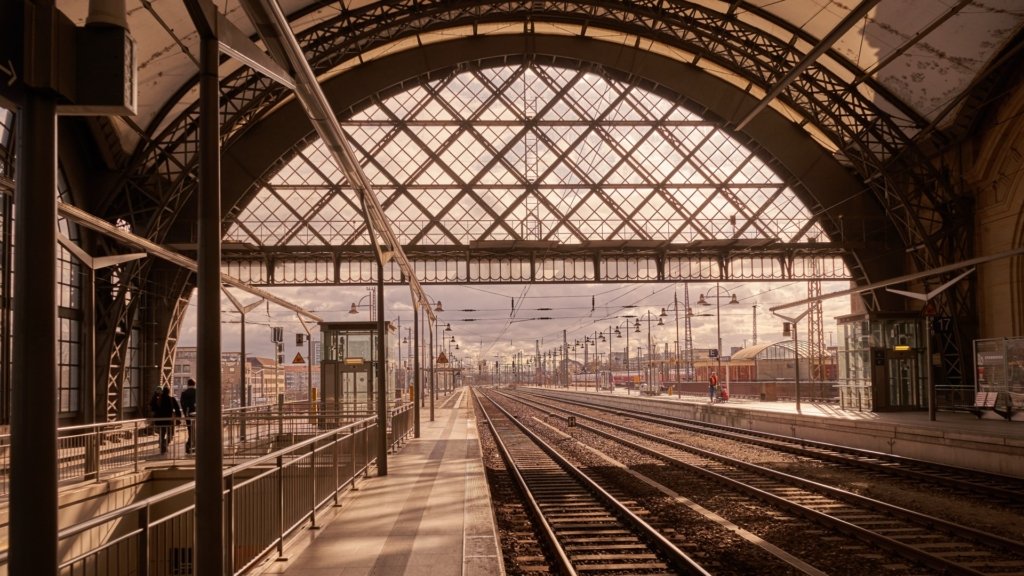
Trains are the classic European solo travel choice. The Interrail pass (for EU residents) and Eurail pass (for UK travellers) allow unlimited travel across multiple countries for a fixed price. For shorter, more fixed itineraries, booking point-to-point tickets in advance through national operators is often cheaper. From the UK, the Eurostar from London to Paris is the most convenient and often most cost-effective first leg of a European rail adventure.
Budget airlines
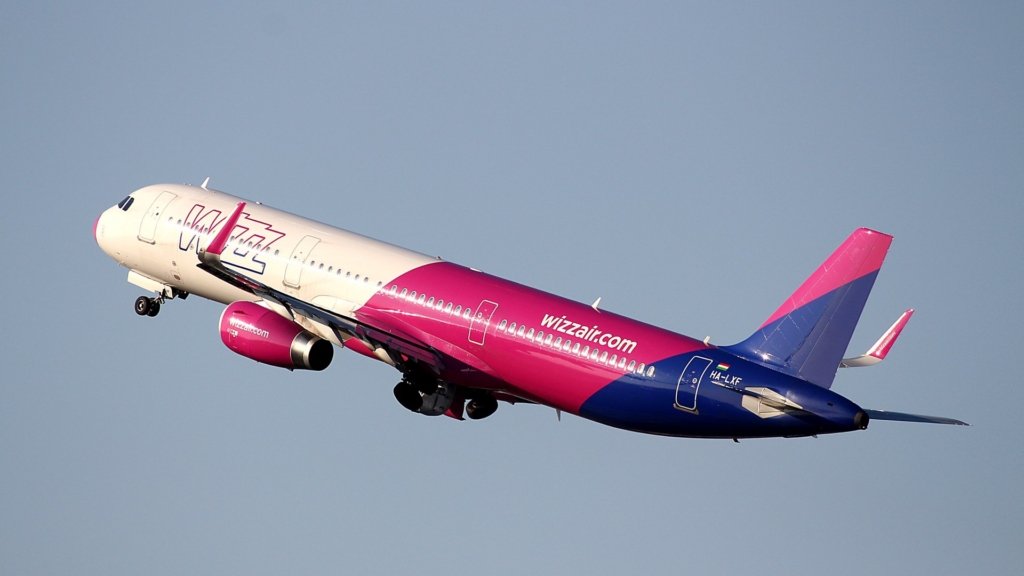
Ryanair, EasyJet, and Wizz Air have transformed European travel. Flights between European cities frequently cost £20-60 booked in advance, making them faster and sometimes cheaper than trains for longer distances. The trade-off is strict baggage allowances and out-of-city airports that add time and cost. To find the best deals, my guide to Travel Tuesday – the best day to book cheap flights explains the strategies I use.
Long-distance buses
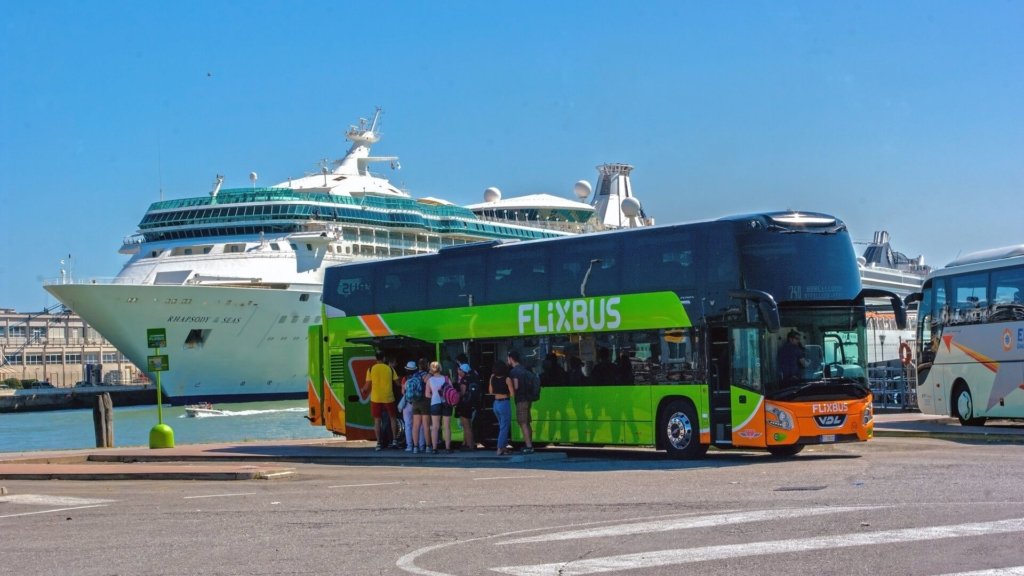
FlixBus covers an enormous network across Europe at very competitive prices. A FlixBus from Prague to Vienna typically costs £10-20; Berlin to Amsterdam can be as low as £15 booked ahead. Buses are slower than trains but significantly cheaper, and the network covers many routes not well-served by rail.
Where to stay when travelling Europe solo
Accommodation choice shapes the solo travel experience more than almost any other decision. I have stayed in hostels, mid-range hotels, and boutique properties across Europe and have documented several in detail on the blog.
Hostels
Hostels remain the best option for solo travellers who want to meet people. Quality varies enormously, but Europe has some of the world’s finest hostel properties. Cities like Lisbon, Porto, Prague, Budapest, Vilnius, and Berlin have particularly vibrant scenes worth seeking out.

Mid-range boutique hotels
Mid-range boutique hotels suit solo travellers who prioritise comfort and privacy. I have reviewed several across Europe. In Porto, my 6-night stay at The Log Hotel by Piamonte Hotels is one of my most detailed reviews and a strong recommendation for a longer stay. In Vilnius, Hotel Vilnia offers a charming boutique experience in an excellent central location. In Lyon, La Suite en Rose spa apartment is a more unconventional choice with a private jacuzzi – worth reading if you want something beyond the standard hotel offering.
City hotel reviews
For Barcelona, my review of Axel Hotel Barcelona covers a 4-star stay in detail – and includes a comparison with Axel Hotel Berlin, which I reviewed on an earlier trip.

Is Europe safe for solo travellers?
Europe is one of the safest destinations in the world for solo travellers. The majority of Western and Northern European countries rank in the Global Peace Index top 20, and violent crime against tourists is rare across most of the continent.
That said, petty theft – particularly pickpocketing – is a genuine risk in popular tourist areas. Standard precautions significantly reduce your risk: use a money belt or internal zip pockets for valuables, keep bags in front of you in crowds, and stay alert in busy stations and tourist areas.
For solo female travellers, Western and Northern Europe rank among the safest regions on earth. Iceland, Finland, Denmark, Portugal, and the Netherlands consistently score very highly on gender safety indices. Eastern European cities like Vilnius, Riga, and Krakow are also generally very safe, with well-lit, walkable centres.
UK travellers should carry a Global Health Insurance Card (GHIC), which provides access to state healthcare in EU countries at the same cost as local residents. Always combine it with comprehensive travel insurance – the GHIC does not cover repatriation or private medical treatment.
Solo travel Europe itinerary ideas
Not sure where to start? Here are three tested solo travel Europe frameworks to build your trip from.
2 weeks - The Classic Western Europe Circuit
London (complete guide to London) – Paris via Eurostar (2h15) – Amsterdam – Berlin – Prague – Vienna. This route covers five capital cities across five countries, is fully achievable by train, and combines the best of Western and Central Europe. I spent 7 days in Paris on one trip and documented the full itinerary – a useful starting framework for the French leg.
2 weeks - The Southern and Western Culture Route
Barcelona – Lyon – Porto – Lisbon. I have first-hand experience across all four cities. Lyon is frequently overlooked as a stop between Barcelona and Portugal – but it is one of the best food cities in Europe and significantly cheaper than Barcelona. Porto is the ideal finale: 5 days in Porto gives you more than enough to feel genuinely satisfied with the city.
1-2 weeks - The Baltic and Eastern Europe Route
Warsaw – Vilnius – Riga – Tallinn. I have covered the Lithuanian and Latvian sections personally. My complete guide to Vilnius and 72-hour solo itinerary for Riga give you a ready-made framework for both cities. This is the best-value route in Europe – lower costs, smaller crowds, and some of the continent’s most underrated architecture and nightlife.
Read more from my travels here:
Why Hallstatt is my favourite place in Europe
Solo trip to Jungfraujoch (The Top of Europe)
7-day Glasgow and Scottish Highlands itinerary
Essential tips for solo travel in Europe
Eight practical things I wish I had known before my first solo trip to Europe:
1. Book accommodation in city-centre locations. In Europe, location matters enormously. Staying centrally means lower local transport costs, better safety at night, and more spontaneous exploration on foot. My hotel reviews across Porto, Vilnius, Barcelona, and Berlin all prioritise central location as the first criterion.
2. Sort your mobile data before you leave. Roaming charges in Europe vary significantly by UK provider post-Brexit. My complete eSIM guide covers the best options for staying connected across multiple European countries without bill shock.
3. Download offline maps. me and Google Maps offline mode are essential for solo travel in Europe. Both allow you to download entire country maps for offline use – invaluable when you are walking a city with no data signal or navigating small town backstreets without WiFi.
4. Book flights strategically. The single best day to book cheap European flights is Travel Tuesday. Read my complete guide to Travel Tuesday flight deals to understand exactly how and when to use it.
5. Use the right travel apps. Having the right tools on your phone makes an enormous practical difference when navigating solo. My round-up of the top 47 travel apps and websites covers everything from flight booking and maps to translation and expense tracking.
6. Always carry some local cash. Card payments are widely accepted across Western Europe, but cash remains necessary at markets, small restaurants, and in many Eastern European countries. Keep a small amount of local currency – typically £30-50 equivalent – accessible at all times.
7. Travel insurance is non-negotiable. Medical costs outside GHIC coverage, trip cancellations, and lost luggage can all be extremely expensive. Use a specialist policy that covers solo travel for your full trip duration. Do not rely on credit card travel cover alone – the limits are typically too low for a multi-week trip.
8. Plan loosely, not rigidly. Solo travel works best with a flexible framework. My post on the best way to plan a solo trip abroad gives a practical structure that allows for flexibility while ensuring you have the essentials locked down before you leave.
Frequently asked questions about solo travel in Europe
Yes – Europe is one of the best regions in the world for a first solo trip. The combination of safe destinations, English-friendly cities, reliable infrastructure, and an established solo travel community makes it forgiving for those new to independent travel. Portugal, Lithuania, and the Netherlands are particularly recommended as starting points.
A mid-range solo traveller should budget £70-100 per day in Western Europe and £40-65 per day in Eastern Europe, excluding flights and travel insurance. A two-week trip to a mix of Western and Eastern European cities typically costs £1,200-1,800 all-in from the UK, depending on flight prices.
UK citizens can travel visa-free to Schengen Area countries for up to 90 days in any 180-day period. The ETIAS travel authorisation system launched in 2025 and requires UK travellers to register and pay a small fee before entering Schengen countries.
The Balkans offer the lowest prices in Europe. Among EU member states, Poland, Hungary, Lithuania, and Latvia offer the best value for money for solo travellers. Vilnius and Riga in particular are significantly cheaper than Western European capitals while offering excellent cultural depth.
Yes. Western and Northern Europe rank among the safest regions in the world for solo female travellers. Iceland, Finland, Denmark, Portugal, Lithuania, and the Netherlands score particularly highly on gender safety. Common-sense precautions apply as anywhere.
Poland offers the best combination of value, culture, and infrastructure within the EU. Lithuania and Latvia are similarly excellent value and cover remarkable destinations including Vilnius, Riga, and the Curonian Spit. For even lower costs, the Balkans – especially Albania and Serbia – are hard to beat.
Ready to plan your solo trip to Europe?
Solo travel in Europe offers more variety, history, culture, and adventure than almost any other destination on earth. Whether you have two weeks and a set budget, or a year and an open itinerary, the continent rewards independent travellers who are willing to do the research and go.
The destination guides and city posts throughout this page go deep into specific places – each one written from a solo traveller’s perspective, with real costs, honest accommodation reviews, and the practical detail that general guidebooks miss. If you’re at the very beginning of the journey, my post on the day I finally decided to travel alone might be the most useful starting point of all.
Have a question about solo travel in Europe? Get in touch at tomsolotravels.com/contact-me – I read and reply to everything.